Contract Manufacturing About
Contract manufacturing is a business model where a company outsources its production to a third-party manufacturer. Here's an overview:
What is Contract Manufacturing?
Contract manufacturing involves partnering with a contract manufacturer (CM) to produce goods or products on behalf of the hiring company. The CM is responsible for manufacturing, quality control, and often logistics.
Benefits of Contract Manufacturing
1. Cost Savings: Reduced capital expenditures and labor costs.
2. Increased Efficiency: CMs specialize in manufacturing, allowing for optimized production processes.
3. Scalability: Flexibility to adjust production volumes as needed.
4. Access to Expertise: CMs often possess specialized knowledge and technology.
Types of Contract Manufacturing
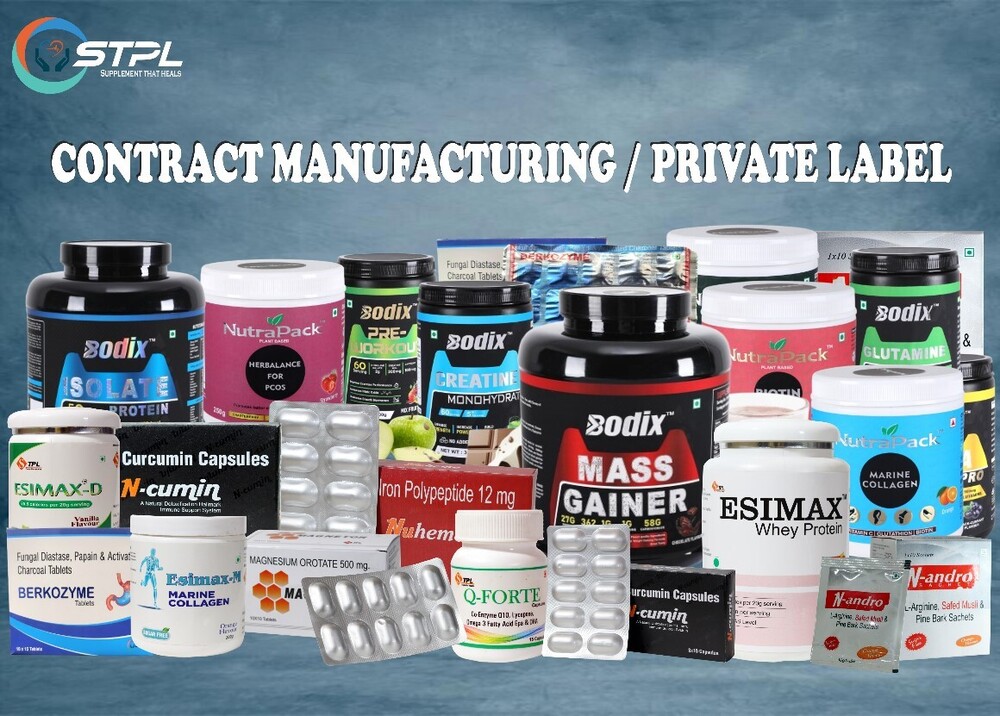
1. Private Label Manufacturing: Products are manufactured and sold under the hiring company's brand.
2. Toll Manufacturing: A company provides raw materials, and the CM processes them into finished goods.
3. Original Design Manufacturing (ODM): CM designs and manufactures products according to the hiring company's specifications.
Industries That Use Contract Manufacturing
1. Electronics: Companies outsource production of electronic components, devices, or entire systems.
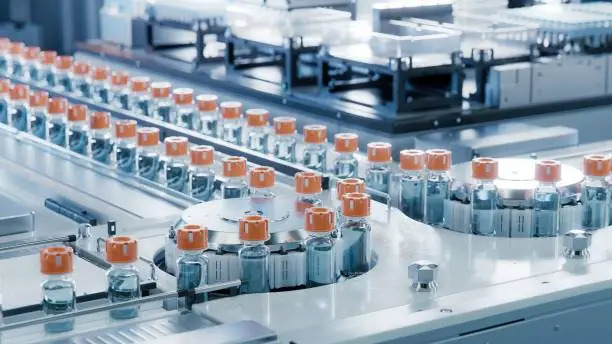
2. Pharmaceuticals: Contract manufacturers produce medications, vaccines, and other pharmaceutical products.
3. Food and Beverage: Companies partner with CMs to produce packaged foods, beverages, or ingredients.
4. Automotive: Contract manufacturers produce automotive parts, accessories, or entire vehicles.
Key Considerations
1. Quality Control: Ensuring the CM meets quality standards and regulations.
2. Intellectual Property Protection: Protecting sensitive information and IP rights.
3. Supply Chain Management: Managing logistics, inventory, and shipping.
4. Regulatory Compliance: Ensuring compliance with relevant laws, regulations, and industry standards.
Challenges and Opportunities
1. Communication and Coordination: Effective communication and project management are crucial.
2. Risk Management: Mitigating risks related to quality, supply chain disruptions, or regulatory non-compliance.
3. Innovation: Opportunities for innovation and product development through collaboration with CMs.
If you have specific questions or need more information on contract manufacturing, feel free to ask!
Comprehensive CustomizationExperience tailored manufacturing solutions with precise customization, adapting every aspect from form and appearance to packaging as per your needs. Our expert team works closely with clients, incorporating individual requirements and industry standards alike.
Flexible and Scalable ProductionOur facility easily scales to accommodate both small and large orders, ensuring prompt delivery timelines which we negotiate in advance for each project. We adapt our production capacity quickly to meet dynamic client demands.
End-to-End Manufacturing SolutionsBenefit from a seamless service scope, including raw material sourcing (or utilizing client-supplied material), production, packaging, and extensive documentation. Support for R&D, traceability, and compliance is integrated into every contract.
FAQ's of Contract Manufacturing:
Q: How does your contract manufacturing process accommodate client-specific requirements?
A: We work closely with each client to develop products precisely aligned with their specifications, including form, color, packaging, and industry standards. Our team adapts raw materials, processes, and documentation based on individual project needs, ensuring complete satisfaction.
Q: What kinds of industries do you serve with your contract manufacturing capabilities?
A: We cater to a wide spectrum of industries, including pharmaceutical, cosmetic, food, chemical, and more. Our versatile facility and expertise allow us to meet the stringent requirements unique to each sector.
Q: When can I expect my order to be ready for shipment?
A: Lead times are negotiable and depend on the complexity of the product and order volume. We discuss and agree upon timelines with clients in advance, always aiming for timely and efficient delivery.
Q: Where are your manufacturing operations located, and do you serve international clients?
A: Our manufacturing facility is based in India, and we serve clients globally as dealers, exporters, importers, and distributors. Our logistics partners enable reliable international shipping as per client requirements.
Q: What is the process for initiating a custom manufacturing project?
A: The process starts with a detailed consultation to understand your product and specification needs. We then proceed with R&D support if required, followed by sourcing or using supplied raw materials, manufacturing, packaging as specified, and providing documentation such as batch records and COAs.
Q: How does your service support compliance, traceability, and documentation needs?
A: We strictly adhere to all applicable industry and safety regulations. Throughout production, we maintain comprehensive traceability and supply required documentation, including batch records, certificates of analysis, and MSDS. This approach ensures product safety and regulatory compliance.
Q: What are the main benefits of using your contract manufacturing service?
A: Clients gain access to advanced customization, robust quality control, full regulatory compliance, comprehensive documentation, and flexible production capacities. Our end-to-end service reduces internal overhead while boosting speed and market adaptability.






 Send Inquiry